Stablecoins Take Center Stage: Nigeria, Paga-Crossmint, and the Future of African Finance
Precious
CW
Introduction
This week saw several important developments across the global fintech and stablecoin ecosystem, with Africa continuing to strengthen its position as a key player in digital finance. From Nigeria’s increasing use of stablecoins for cross-border transactions to new partnerships designed to improve payment infrastructure, the continent remains at the center of financial innovation.
Below is a summary of some of the week’s most notable stories.
Nigeria’s Growing Stablecoin Adoption Draws Global Attention
One of the biggest stories this week came from the International Monetary Fund (IMF), which highlighted Nigeria’s rapid adoption of stablecoins. According to the report, Nigeria accounts for roughly 60% of stablecoin inflows across Sub-Saharan Africa.
The IMF acknowledged that stablecoins are helping individuals and businesses send and receive money more quickly and at lower costs than many traditional remittance services. However, the organization also noted that the growing reliance on U.S. dollar-backed stablecoins could create challenges for monetary policy if left without appropriate regulation.
Despite these concerns, the report reinforces Nigeria’s position as one of Africa’s leading digital asset markets.
New Partnership Aims to Improve Cross-Border Payments in Africa
Cross-border payments remain one of Africa’s biggest financial challenges, but new collaborations are working to change that.
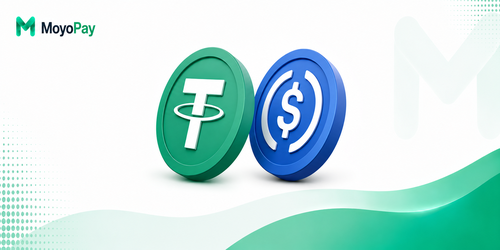
This week, Crossmint and Nigerian fintech company Paga announced a partnership to develop a payment bridge powered by USDC, a U.S. dollar-backed stablecoin. The initiative is designed to make international transfers faster, cheaper, and more accessible for businesses and individuals across Africa.
If successfully implemented, the partnership could reduce settlement times and lower the costs associated with remittances and international trade.
Stablecoins Continue to Reshape African Payment Infrastructure
Beyond individual partnerships, industry analysts believe stablecoins are becoming an important part of Africa’s financial infrastructure rather than simply another cryptocurrency product.
As fintech companies search for more efficient ways to process international payments, stablecoin technology is increasingly being integrated into payment systems behind the scenes. This shift is expected to support faster settlements, improve liquidity, and simplify cross-border commerce for businesses operating across multiple African markets.
Many experts now view stablecoins as a practical financial tool with real-world applications rather than a speculative digital asset.
Global Regulatory Developments Could Influence African Markets
Regulation also remained a major talking point this week.
The Bank of England released an updated policy framework for sterling-backed stablecoins, easing some of its earlier proposals after receiving industry feedback. While these rules apply to the United Kingdom, regulatory developments in major financial markets often influence discussions among policymakers worldwide, including in Africa.
As African regulators continue developing frameworks for digital assets, global policy decisions may provide useful lessons on balancing innovation with consumer protection and financial stability.
Looking Ahead
Africa’s fintech sector continues to evolve at an impressive pace. Stablecoins are gradually moving beyond cryptocurrency trading and becoming practical tools for remittances, business payments, and cross-border commerce.
At the same time, regulators are paying closer attention to the sector as adoption increases. The coming months are likely to bring additional partnerships, regulatory updates, and technological innovations that will shape the future of digital finance across the continent.
For businesses, investors, and consumers alike, the message is clear: fintech and stablecoins are no longer emerging trends—they are becoming an important part of Africa’s financial future.
References
1. Reuters. (2026, June 16). Stablecoins gain in Nigeria for cross-border transfers, IMF says.
2. Reuters. (2026, June 22). Bank of England softens stablecoin rules in final policy draft.
3. Payments Africa News. (2026, June 13). Crossmint and Paga Partner to Create Stablecoin Bridge for Africa-Global Payments.
4. This Week in Fintech Africa. (2026, June 22). Who Will Win Africa’s Stablecoin Race?
5. FinHive Africa. (2026, June 16). Financial Services Update: Africa’s Money Rails Are Being Repriced, Regulated, Localised and Rebuilt.